Troubleshooting Guide
The cycle finishes, the door unlocks, and the drum is still full of water. Here is what usually causes it, what you can safely check yourself, and when the problem needs a professional.
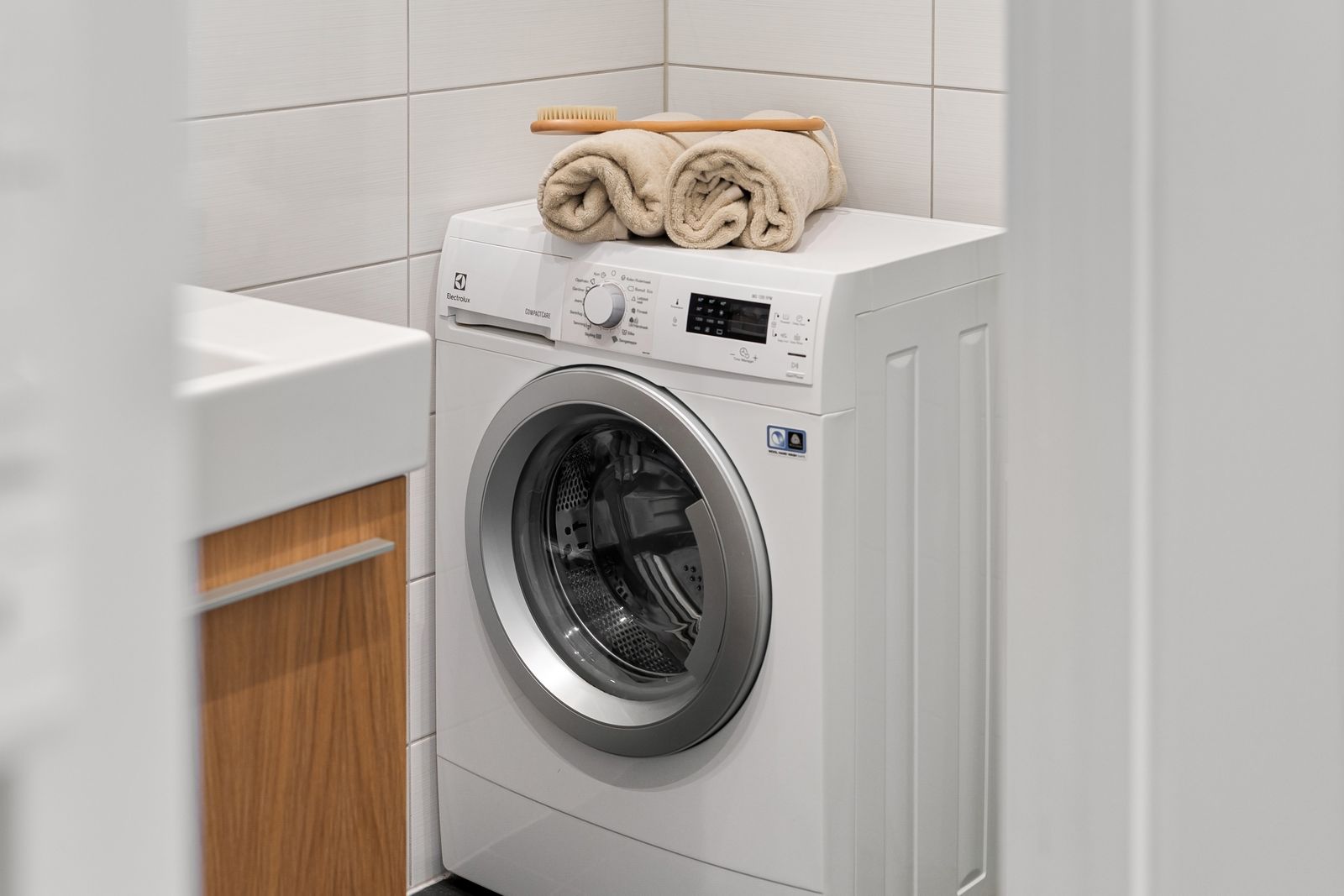
Quick answer: standing water in the drum is almost always something physically blocking the pump, not a broken machine. A clogged pump filter or a foreign object caught in the pump causes the large majority of no-drain calls, followed by a kinked drain hose and a door latch that isn't registering as closed. A full pump replacement is the least common outcome, not the first thing to assume.
A washer that won't drain is one of the easier appliance failures to fix, because the cause is almost always something physical blocking the water, not a deeper electrical fault. The trick is knowing where to look first.
Below are the seven causes we see most often across the Inland Empire and San Gabriel Valley, roughly in the order they turn out to be the culprit.
Most front-load washers, and a good number of top-loaders, have a small filter that sits in front of the drain pump to catch lint, coins, buttons, and the occasional sock. Once it fills up, water can't reach the pump at all, and the machine stops draining the moment the filter is full rather than gradually getting worse.
Signs it's the pump filter:
Can you fix it yourself? Yes, and it's worth trying first. Open the small access panel at the bottom front of the machine, place a shallow pan underneath since water will run out, unscrew the filter cap, and clear out whatever's trapped inside.
A coin, a bra underwire, or a small toy that gets past the filter can wedge directly against the pump impeller, the small fan-like part that actually pushes water out. When that happens the pump motor may hum or strain without moving any water, rather than staying silent.
Signs it's a jammed impeller:
Can you fix it yourself? Sometimes. On some models the impeller is reachable from the same filter access point. On many others it means removing a panel and disconnecting the pump, which is where it's easy to damage a hose clamp or seal without the right approach.
The drain hose carries water from the pump to the household drain or standpipe. If it's been pinched behind the machine, kinked during an installation or a move, or has its own buildup of lint and detergent residue inside, water backs up with nowhere to go even though the pump itself is working fine.
Signs it's the drain hose:
Can you fix it yourself? Yes. Pull the machine out, check the hose's full length for kinks or pinch points, and straighten or reroute it with a bit of slack so it can't get pinched again.
If the filter is clear, nothing is jammed, and the hose is fine, the pump motor itself may have burned out or seized. This is a real cause, just further down the list than most people assume, because a filter or hose problem produces the exact same symptom and is far more common.
Signs it's the pump motor:
Can you fix it yourself? Not usually. Confirming the motor itself has failed, rather than a wiring or control fault upstream of it, takes a multimeter and knowing the correct test points for that model.
Almost every washer refuses to spin or drain until a switch confirms the door is closed and locked. A worn latch, a misaligned lid switch, or a strike plate that no longer reaches the sensor can leave the machine thinking the door is open even when it looks closed.
Signs it's the door latch or lid switch:
Can you fix it yourself? Sometimes. Try closing the door firmly and listening for a distinct click, and check for anything (a stray sock, a warped gasket) holding it slightly open. A worn latch assembly itself is a straightforward parts swap for a technician.
Sometimes the washer is working perfectly and the problem is downstream: the standpipe or drain line the hose empties into is itself clogged, so water has nowhere to go and can even siphon back into the drum. This is the one cause on this list that isn't really about the washer at all.
Signs it's the household drain:
Can you fix it yourself? A basic auger might clear a simple clog. Anything deeper in the line, or a recurring backup, calls for a plumber rather than an appliance technician.
Least common on this list, but it happens: the control board fails to send the signal to run the pump, or a wiring connector to the pump has corroded or come loose. The machine looks completely normal mechanically because nothing mechanical is actually wrong.
Signs it's the control board or wiring:
Can you fix it yourself? No. This needs a technician testing the actual wiring and board with a meter and the manufacturer's diagram, not a guess.
These get confused because they often show up together. A washer that drains fine but won't spin usually points to a worn drive belt, a failed motor coupling, or a seized tub bearing, mechanical problems with the spin cycle itself, not the seven causes above. If your machine does neither, check the door latch first, since a failed latch commonly blocks both steps at once.
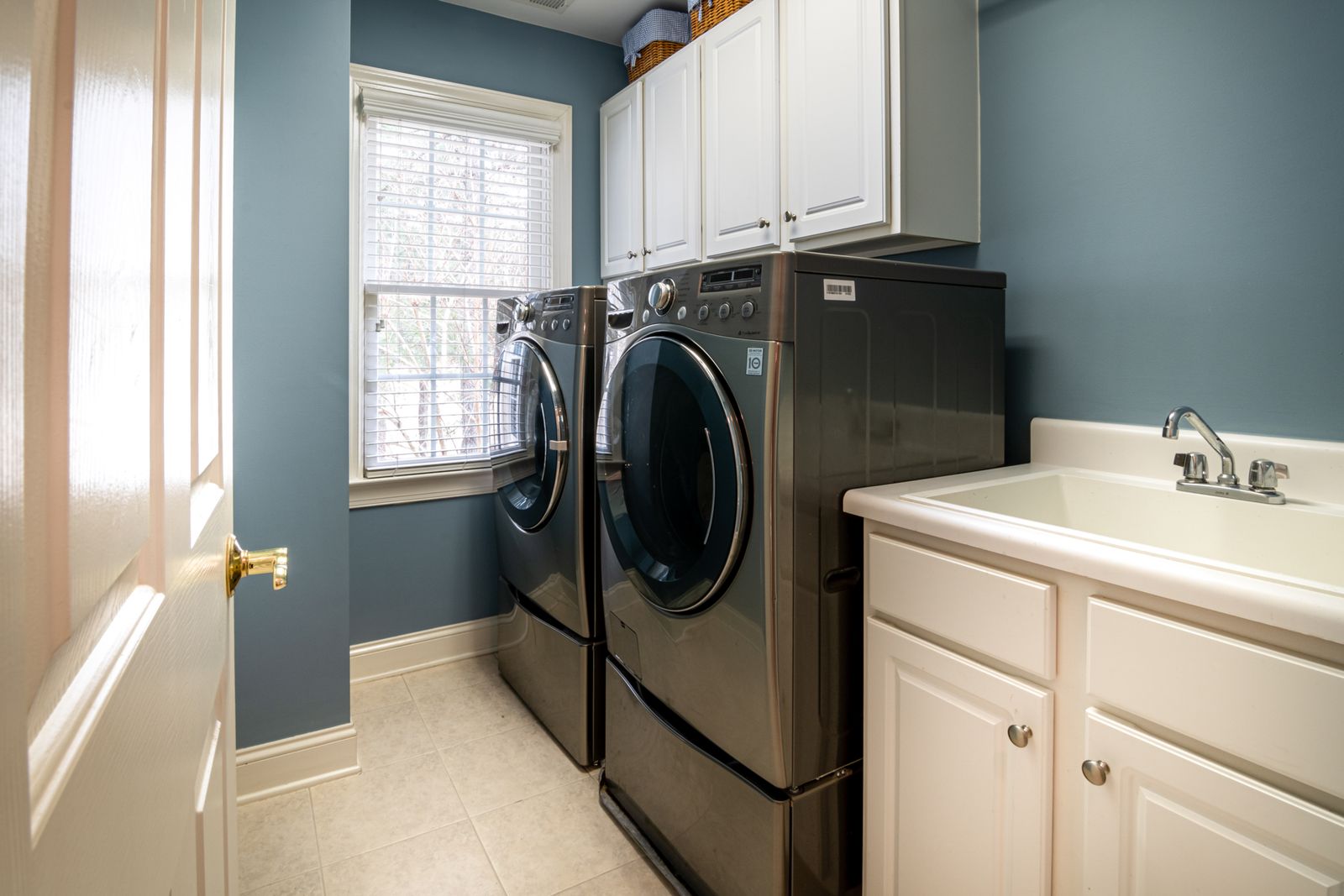
Whatever is stopping the water from leaving almost always sits behind the cabinet, in the pump or the hose, not in the electronics or the drum motor. Parts back there are inexpensive relative to the machine, and once the blockage is found, the fix is usually finished the same visit.
Describe what the machine is doing and we'll usually narrow it down before anyone comes out. Same-day appointments across the Inland Empire and San Gabriel Valley.
One safety note: unplug the washer before opening any access panel, and keep towels and a shallow pan handy since water in the pump housing will run out as soon as it's opened.
Era Service repairs washers of every configuration across the Inland Empire, San Gabriel Valley, Riverside, San Bernardino and Fontana, usually the same day, with genuine OEM parts on the van. More detail on the washer repair service page.
Good to Know
Most of the time it's a clogged pump filter or a foreign object caught in the drain pump, both of which trap water in the drum before the pump even gets a chance to push it out. A kinked or clogged drain hose, a failed pump motor, and a door latch that isn't fully engaging are the other common causes, roughly in that order.
Running another cycle on top of standing water usually just adds more water to a drum that already can't empty, which risks it overflowing onto the floor. It's safer to bail out what you can, check the pump filter yourself if your model has an accessible one, and hold off on another cycle until the drain problem is actually fixed.
On most front-load washers, the filter sits behind a small access panel at the bottom front of the machine. Place a shallow pan and towels underneath, since water will run out, turn the filter cap counterclockwise to remove it, clear out any lint, coins, or debris, and thread it back in until it locks. Top-load washers vary by brand and some don't have an owner-accessible filter at all.
This points to something stopping the machine before it ever reaches the drain step, most often a door latch or lid switch that isn't registering as closed, since nearly every washer refuses to spin or drain as a safety measure until that switch confirms the door is secure. A failed control board can cause the same symptom less often.
Almost always, yes. Most no-drain repairs involve an inexpensive pump, filter, or switch rather than a major component, and washers are expensive enough new that repair wins the math in the large majority of cases, especially on a machine under 8 to 10 years old.
Same-day washer repair with genuine OEM parts and a 90-day warranty across the Inland Empire.
See the service →Drum turns, timer counts down, but nothing dries. The usual causes on gas and electric dryers.
Read the guide →Not draining, leaking, or won't start? Same-day dishwasher repair with a 90-day warranty.
See the service →Same-day service across San Bernardino & North Orange County, backed by a 90-day warranty.
