Troubleshooting Guide
You can hear the igniter working and maybe even see it glow, but the burner never catches. That means the ignition sequence is failing at one specific step, and which step tells you exactly what's wrong.
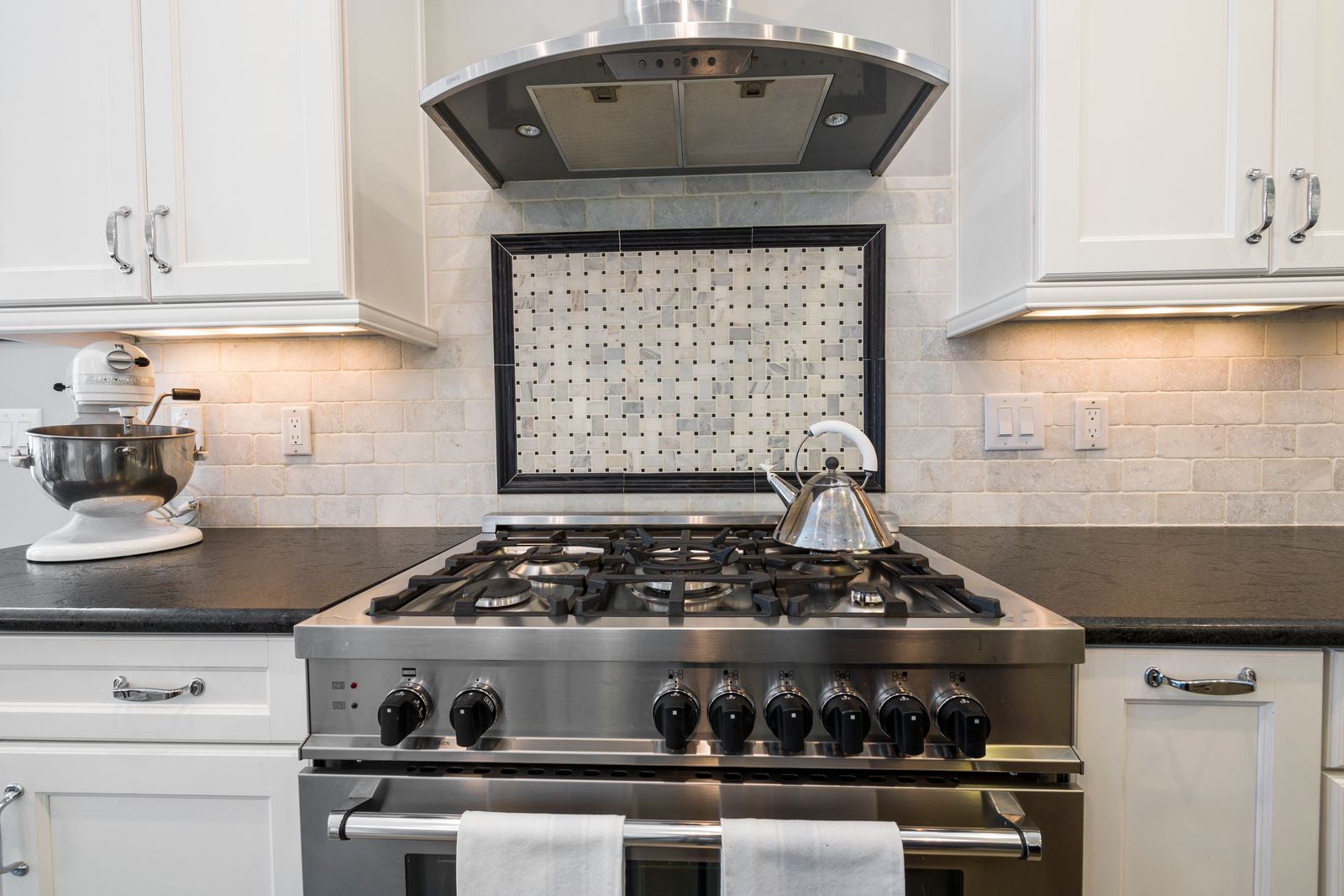
Quick answer: an igniter that glows but never lights the burner is almost always weakening with age, no longer pulling enough current to trip the safety valve open. If the igniter glows bright and strong with no change and the problem continues, the gas valve's safety coils are the more likely cause instead.
Gas oven ignition happens in a specific sequence: the igniter heats up, that heat draws enough electrical current to signal the safety valve, the valve opens, and gas reaches the now-hot igniter and lights. When any single step in that chain breaks, you get a version of "clicking or glowing, but no flame." The exact way it fails is a clue to which step is the problem.
This guide covers gas ovens specifically and goes deeper into that ignition sequence than our general oven not heating guide, which covers electric ovens too. If your oven is completely dead with no glow, no clicking, and no fan or display either, that broader guide covering power and control-board issues is the better starting point.
If there's no glow, no click, and no sound at all when the oven calls for heat, the igniter itself may be completely dead, or it isn't receiving power in the first place. On some models a separate spark module controls the igniter, and a failed module produces the same silent result as a dead igniter.
Signs it's a dead igniter or no power to it:
Can you fix it yourself? Diagnosing this needs a multimeter to confirm whether voltage is even reaching the igniter, which most homeowners don't have on hand for this kind of test. This is usually a technician visit.
This is the single most common cause of a gas oven that won't light. A healthy igniter needs to draw enough electrical current to trip the safety valve open, and as igniters age they weaken, so they still glow but no longer pull enough current. The valve stays shut, gas never reaches the igniter, and after 30 to 90 seconds the system gives up and shuts the igniter off as a safety measure.
Signs it's a weakening igniter:
Can you fix it yourself? Not recommended. This involves the gas burner assembly, and confirming a weak igniter versus a bad valve requires an amp clamp meter to measure the actual current draw.
Once the igniter glows hot enough, small safety coils inside the gas valve are supposed to open and let gas flow to the burner. If one of those coils has failed, a strong, healthy igniter glows exactly as it should for the full cycle, but the valve simply never opens, so there is nothing for the igniter to light.
Signs it's the gas valve:
Can you fix it yourself? No. This is gas appliance work involving the valve's safety coils and needs a technician licensed for gas repair.
This is a different failure point than a burner that never lights at all. Here, ignition succeeds, but the flame doesn't stay sustained, usually because the igniter can't maintain enough current once it's no longer the only thing drawing power, or because a venting restriction is starving the flame of oxygen and causing it to lift off and extinguish.
Signs it's a re-ignition or venting issue:
Can you fix it yourself? Partially. Clearing visible debris from burner ports is safe and simple. If it still cuts out after that, the igniter or valve components need a technician's testing equipment to isolate.
An igniter or valve that's right at the edge of failing doesn't always fail the same way twice. A loose wiring connection or a corroded terminal at the igniter can behave the same way, working fine until vibration or a temperature change breaks the connection just enough to fail that particular attempt.
Signs it's a marginal or intermittent connection:
Can you fix it yourself? Not recommended. Wiring connections near the burner assembly should be inspected with the power disconnected, and a marginal igniter often looks identical to a wiring issue until it's tested directly.
Not every gas oven uses a glow-bar igniter. Some, especially certain ranges, use a spark igniter that produces an audible clicking sound instead of a visible glow. A cracked ceramic tip, a gap that's widened with age, or moisture from a recent cleaning can all cause the spark to misfire without ever producing a strong enough spark to ignite the gas.
Signs it's a spark igniter issue:
Can you fix it yourself? Often yes, if moisture is the cause. Let the oven sit for an hour with the area dry before trying again. If clicking stays weak or irregular after that, the igniter itself likely needs replacing.
These two causes get confused constantly because they look identical from the outside: the igniter glows, and nothing lights. The only fully reliable way to tell them apart is measuring the igniter's amperage draw with a clamp meter, which is a technician's tool. Without that, a few secondary signs help make an educated guess. An igniter that glows dim, gives up after the full 30 to 90 second cycle, or has been in service several years points toward the igniter. A valve is more likely if the igniter was recently replaced and nothing changed, or if it glows strong and bright with no visible weakness at all. When in doubt, replacing the far less expensive igniter first is a reasonable step before assuming the valve, since a weak igniter is by far the more common of the two.
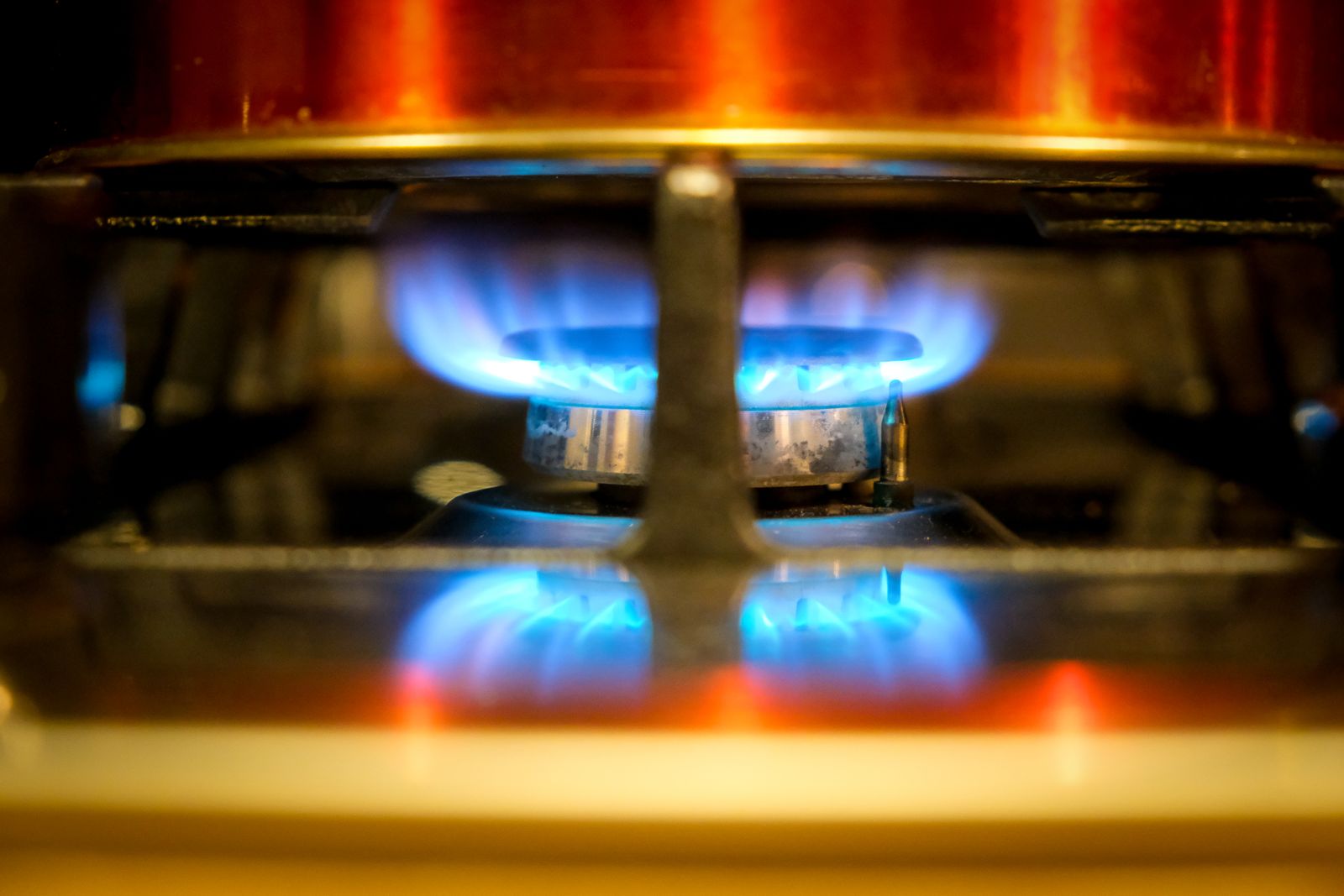
The entire ignition sequence, from igniter to valve to flame, happens in the space of a minute or two. That short chain is exactly why the way it fails matters so much: a glow that never draws enough current, a valve that never opens, and a flame that won't stay lit are three different problems that only look the same from the outside.
Tell us exactly what you're seeing, whether it glows, clicks, or does neither, and we'll usually narrow it down before anyone comes out. Same-day appointments across the Inland Empire and San Gabriel Valley.
Gas smell without ignition: if you smell gas and the burner isn't lighting, or the smell lingers beyond the brief moment of normal ignition, turn off the oven immediately, do not attempt to relight it, ventilate the room, and call a licensed technician. Do not operate the oven again until it's been inspected.
Era Service repairs gas, electric, and dual-fuel ovens and ranges across the Inland Empire, San Gabriel Valley, Riverside, San Bernardino and Fontana, usually the same day, with genuine OEM parts on the van. More detail on the oven and range repair service page.
Good to Know
This almost always means the igniter isn't drawing enough electrical current to trip the safety valve open, even though it still glows. This is a weak igniter nearing the end of its life. If the igniter glows bright and stays lit far longer than normal with still no ignition, the gas valve's safety coils are the more likely fault instead.
The most reliable way is measuring the igniter's amperage draw with a clamp meter, which is a technician tool. As a rough homeowner guide, an igniter that glows dim, glows for a long time before giving up, or has been in service for several years points to the igniter. A valve is more likely if the igniter was recently replaced and the problem continued, or if the igniter glows strong and bright with no change in behavior.
Yes, this needs immediate attention. Turn off the oven, do not attempt to relight it, ventilate the room, and call a licensed technician. A brief gas smell for a second or two right as the burner catches is normal, but any lingering or repeated smell without ignition is not.
This points to a re-ignition or flame-sensing issue rather than the initial spark itself, often related to the igniter's ability to sustain enough current once the flame is burning, or a venting problem starving the flame of oxygen. It's a different failure point in the sequence than an igniter that never lights at all.
The igniter itself is a straightforward, model-specific part, but confirming it's actually the igniter and not the gas valve first requires an amp clamp meter most homeowners don't own, and the work is done around a live gas burner assembly. Most homeowners are better off having a technician confirm the diagnosis before any part is replaced.
Same-day oven and range repair with genuine OEM parts and a 90-day warranty across the Inland Empire.
See the service →Everything runs but nothing gets hot. The seven causes we see most on gas and electric ovens.
Read the guide →Drum turns, timer counts down, but nothing dries. The usual causes on gas and electric dryers.
Read the guide →Same-day service across San Bernardino & North Orange County, backed by a 90-day warranty.
