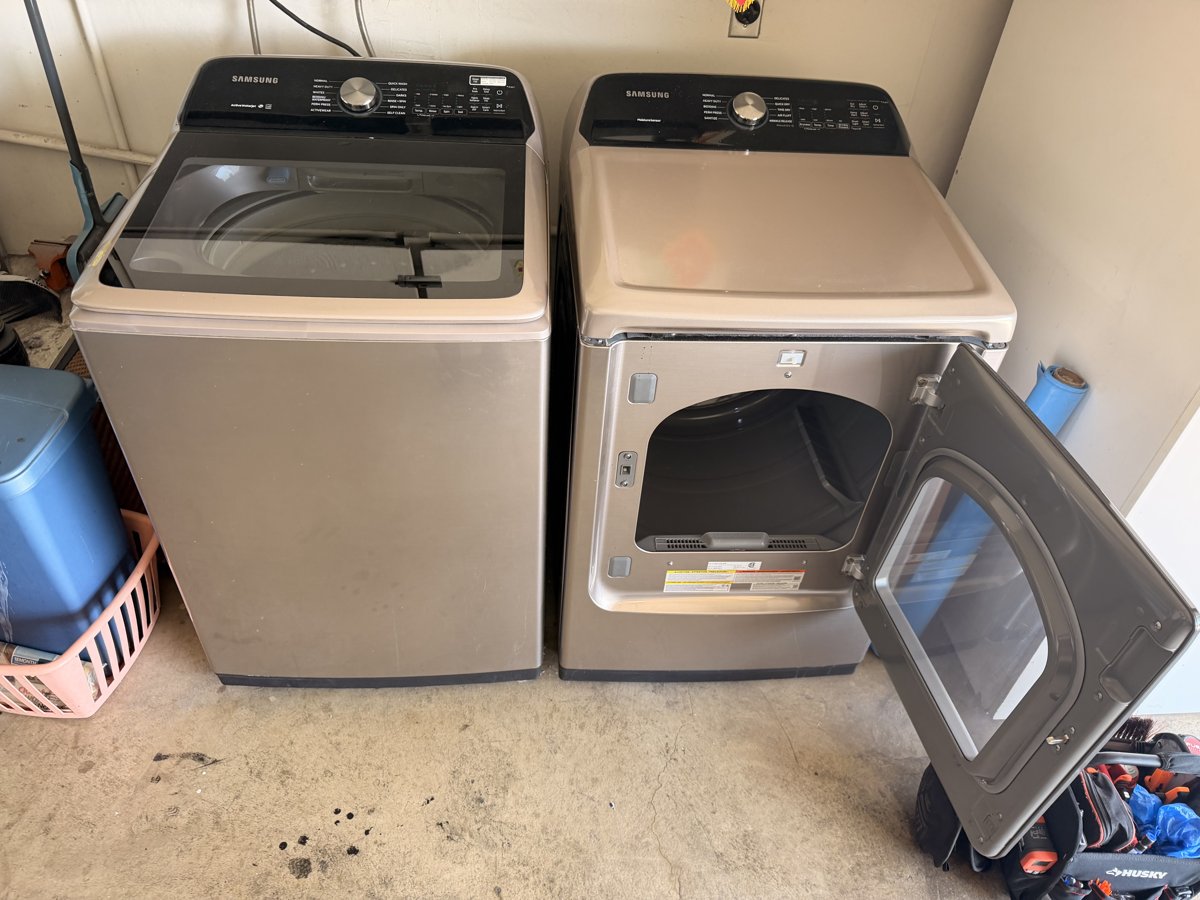
 Technician on the job
Quick answer: a dryer that tumbles but will not heat is almost always electrical or airflow related, not mechanical. On electric dryers, check for a tripped breaker or a blown thermal fuse first. On gas dryers, the igniter is the most common failure. A clogged vent causes or worsens most of the causes below, so it is worth ruling out early.
A dryer's motor and its heating circuit run on separate paths. That is why a dryer can sound completely normal, drum spinning, timer advancing, light coming on, while producing no heat at all. It also means the fix is rarely the motor.
Below are the causes we run into most often across the Inland Empire and San Gabriel Valley, split by fuel type where it matters.
Electric dryers run the drum motor on 120 volts but need a full 240 volts for the heating element. If one leg of that circuit goes out, commonly a tripped double-pole breaker or a loose wire nut at the outlet, the motor keeps running like nothing happened while the element gets no power at all. This is the single most common no-heat call on electric dryers, and it is also the easiest to check.
Signs it's a power problem:
Can you fix it yourself? Check the breaker panel for a tripped double-pole breaker and reset it once. If it trips again immediately, stop and call an electrician or technician, since something is drawing too much current.
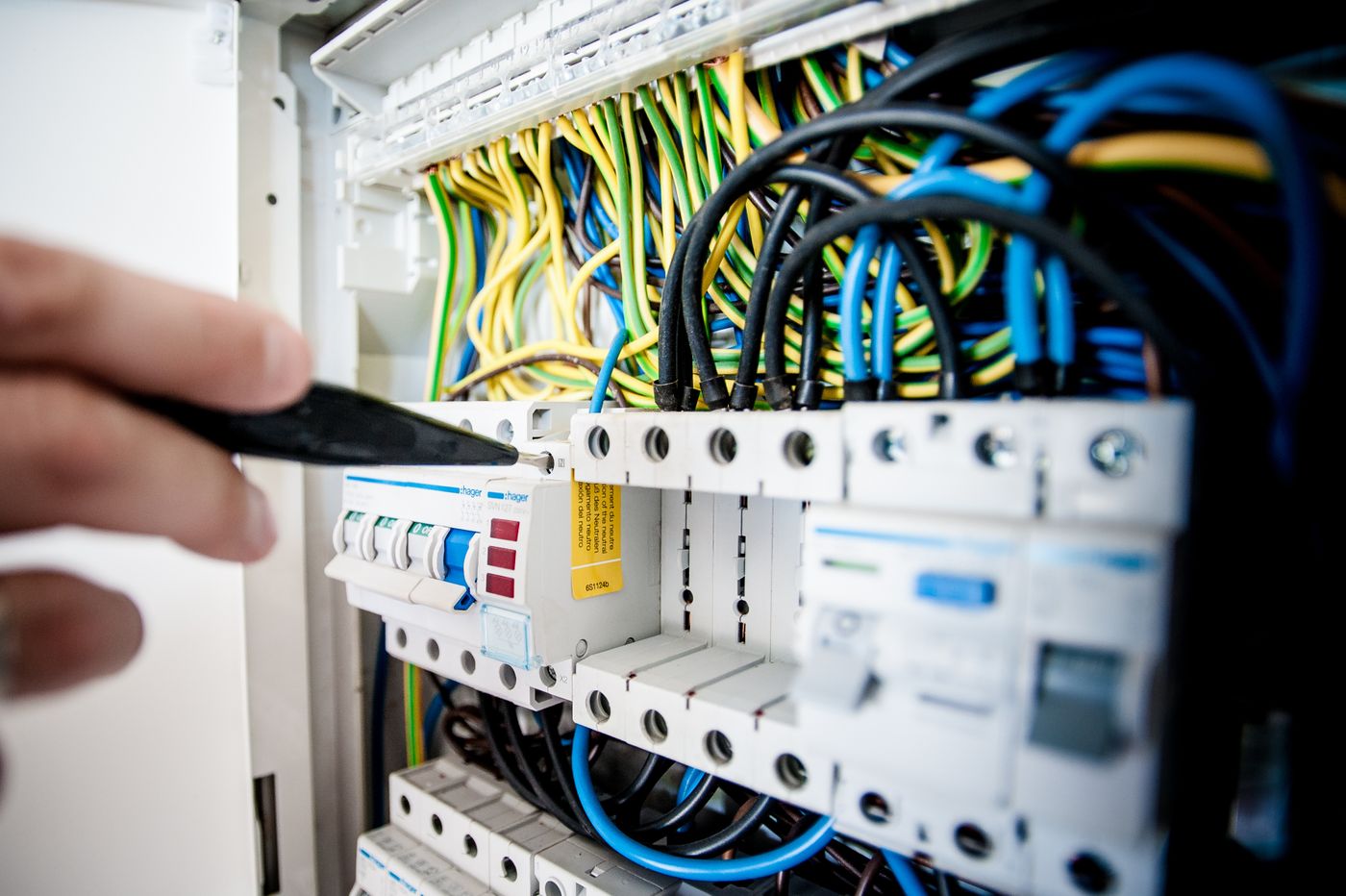
The thermal fuse is a one-time safety device that cuts power to the heating circuit if the dryer runs hotter than it should. Once it blows, it stays blown. On its own that is a simple part swap, but a thermal fuse almost never fails at random. In most cases it blew because airflow was restricted, so replacing the fuse without checking the vent just means it blows again in a few weeks.
Signs it's the thermal fuse:
Can you fix it yourself? The fuse itself is inexpensive and accessible on most models. Clear the vent duct at the same time, otherwise the new fuse is likely to blow again.
The heating element is a coil that glows and heats the air pulled through the drum. Over years of cycles it can develop a break in the coil or burn through completely, the same way an old toaster element eventually goes.
Signs it's the heating element:
Can you fix it yourself? Usually not worth attempting. The element sits behind the drum or blower housing depending on the model, and confirming it's actually the element rather than the fuse or thermostat needs a multimeter.
Gas dryers use an electric igniter that glows hot enough to light the gas at the burner. Igniters wear out gradually and are the most common heating failure on gas dryers by a wide margin.
Signs it's the igniter:
Can you fix it yourself? Not recommended. This involves the gas burner assembly, and a technician confirms the igniter is actually drawing current before replacing it rather than guessing.
Once the igniter glows hot enough, small solenoid coils on the gas valve open to let gas reach the burner. If one of those coils has failed, the igniter glows correctly but the valve never opens, so there is nothing for it to ignite.
Signs it's the gas valve coils:
Can you fix it yourself? No. This is gas appliance work and needs a technician licensed for it.
The cycling thermostat turns the heat on and off to hold a steady temperature through the cycle. When it fails open, it never calls for heat again after the first cycle, or the dryer runs unusually cool the whole time even though the element or igniter is fine.
Signs it's the cycling thermostat:
Can you fix it yourself? The part itself is inexpensive, but it looks and behaves like several other components, so a technician usually tests it against the wiring diagram rather than swapping parts on a guess.
A restricted vent does not always stop heat outright, but it is the reason several of the causes above happen in the first place. Lint buildup traps heat inside the dryer, which trips the thermal fuse (cause 2), stresses the heating element (cause 3), and on gas units can affect how the burner behaves. If a dryer has had more than one no-heat repair, the vent is worth checking even if it was not the direct cause this time.
Signs it's the vent:
Can you fix it yourself? Often yes for the accessible sections. Disconnect the duct at the back of the dryer and vacuum both ends. A long, mostly straight run can be cleaned with a vent brush kit; a long or heavily blocked run is worth having professionally cleaned.
Tell us whether it's gas or electric and what you're seeing, and we'll usually narrow it down before anyone comes out. Same-day appointments across the Inland Empire and San Gabriel Valley.
Era Service repairs both gas and electric dryers across the Inland Empire, San Gabriel Valley, Riverside, San Bernardino and Fontana, usually the same day, with genuine OEM parts on the van. More detail on the dryer repair service page.
 Technician on the job
If the drum in the photo above is turning, the motor is doing its job. Every cause on this page lives somewhere else: a fuse, a coil, an igniter, or a duct packed with lint. That is good news, because those parts are inexpensive compared to a dryer, and the fix is usually finished the same visit.
Good to Know
The drum motor and the heating circuit are two separate systems, so a dryer can keep turning after the heat has failed. On electric dryers this is often one leg of the 240-volt supply going out, which still powers the motor on 120 volts but leaves the heating element without enough voltage to work. A blown thermal fuse, a failed heating element, or a bad igniter on a gas dryer produce the same symptom.
Most often one of the two hot legs feeding the dryer's 240-volt circuit has gone out, commonly a tripped double-pole breaker or a loose connection at the outlet or panel. The motor and drum light run fine on the remaining 120 volts, but the heating element needs both legs and does not turn on.
Running a dryer that will not heat wastes time and electricity but is not itself dangerous. The bigger concern is what caused it: a clogged vent that overheated and tripped the thermal fuse is a genuine fire risk and should be cleared before running the dryer again, whether or not heat comes back on its own.
Both cut off heat completely and look identical from the outside. A thermal fuse fails once and needs a multimeter continuity check to confirm, while a heating element usually shows a visible break or burn mark in its coil when the dryer is opened up. Because a blown fuse is frequently a symptom of a clogged vent rather than the root cause, a technician checks the vent path at the same time so the fuse does not blow again the same week.
Yes. A gas dryer uses electricity to run the drum motor, the igniter and the safety valve coils that release gas to the burner. If the igniter fails to glow hot enough, or a flame sensor incorrectly cuts the gas supply, the burner never lights even though gas and power are both present.
Same-day gas and electric dryer repair with genuine OEM parts and a 90-day warranty across the Inland Empire.
See the service →Leaking, not spinning, or throwing an error code? Book both appointments together and save a trip.
See the service →The nine most common reasons a fridge stops cooling, and what you can check yourself first.
Read the guide →Same-day service across San Bernardino & North Orange County, backed by a 90-day warranty.
